
Daphne Chu

Published on March 19 | Interview by Romina Provenzi | 5 min read
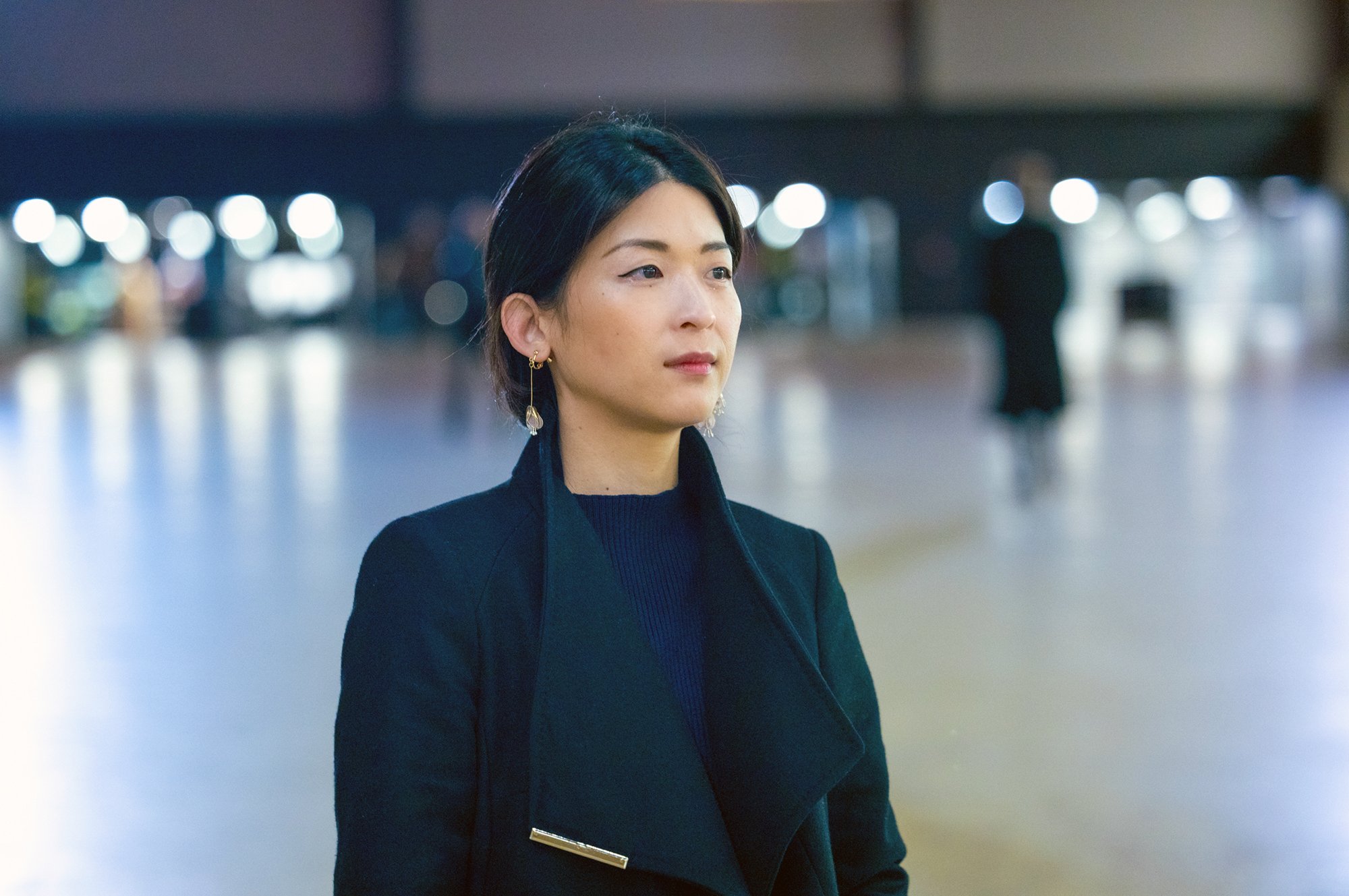
Portrait of Daphne Chu, Curator at Ikon Gallery, Birmingham, by Shiloh Hsi-Lun Chen.
instagram @daphneychu
Daphne Chu is an arts producer, writer and Curator at Ikon Gallery in Birmingham. Most recently, she has co-curated Break the Mould (2026), the final exhibition in Ikon’s trilogy exploring craft, art school pedagogies and contemporary art practice. On view from 25 March to 6 September 2026, Break the Mould positions clay as a site of experimentation, transforming the gallery into a laboratory for residencies, collaborative making and public engagement. Before joining Ikon, she worked as studio manager for conceptual artist Lee Mingwei, where she managed and facilitated Lee’s participation in more than 70 exhibitions and biennales. Chu studied at the University of Washington in the US and at Goldsmiths in London.
Interview with Daphne Chu: Ikon Gallery Curator on Detours, History and Local Audiences
Detours, Loss and Redefining Success
What is success for you?
Everything is a learning experience for me. In my childhood, or when I was younger, what I thought would be wonderful or successful felt different once I got it. Things are fluid, so I try hard not to think in terms of success or failure, and I believe we learn more when something doesn't turn out the way we initially wanted. That’s a fruitful and important place to be, because it leads us to understand how we feel towards certain things, those perceptions, something being so important that it consumes us. For example, my life would've been very different if my father hadn't died or if we had stayed in the States instead of moving back to Taiwan, where my family is originally from. A death is a life-shattering event, and moving is like starting from scratch in a new place where you have to build up a support system and connections. After these events happen, there is still growth, although it may not unfold in a linear trajectory. I like to call them detours, rather than failures, and I believe there’s success in them.
On Curating, Outsider Perspectives and Starting Over in Birmingham
How did you get into Curating, and what challenges have you encountered along the way?
At university, I used to take Digital Arts classes as a feminist because it was a very gendered major at the time, and actually, there’s still a gender discrepancy in fields that involve technology. I am a double major in Digital Arts Experimental Media and in Women's Studies from the University of Washington in the United States. Soon after graduating, I worked as an exhibitions coordinator at a commercial art gallery in Taipei and, for nine years, as the studio manager for artist Lee Mingwei (New York, Paris, Taipei). My curating journey started when I enrolled for an MFA in Curating at Goldsmiths in London, where I graduated in 2024. I was lucky to become Curator at the Ikon Gallery in Birmingham in the autumn of the same year, and I believe that it has worked to my advantage to go to places where you're an outsider and don't fit in, and you become uniquely different from other people, like for me in Birmingham. It’s about trying to rebuild yourself in a foreign place, and that doesn’t come without its challenges. There are survival needs, like building a network to hold yourself up without any family or friends around, which is especially acute for me.
Deep Listening, History and Connecting International Art to Local Audiences
What is your curatorial practice about?
I'm still grappling with what my curatorial practice is about. Certainly, deep listening is very important to me, just as being in dialogue with artists and being inspired by their work. These elements all represent the curatorial practice that I am building step by step here at Ikon Gallery, where I have been working on the exhibitions in close collaboration with artists and the IKON team. I am fascinated by history because the past is never the past, and there’s always something in the present that connects with things in the past. It’s also important to connect my work to local audiences when the show has an international element in it. I've been thinking about this aspect a lot, especially having seen the diaspora of a previous generation of artists and curators who came from Asia and were very interested in that dichotomy between east and west. For some in my generation, it's very different because we grew up between places. After all, it’s all tangled up together, and you can't separate the two in terms of the international and the local, so this becomes an important element of the curatorial practice that I’m developing.
Reflections on this conversation
What strikes me most in this conversation is how Daphne Chu refuses the comfort of fixed identity, whether navigating the gendered politics of technology, the east-west dichotomy that shaped a previous generation of Asian artists and curators, or the particular challenge of being an outsider in Birmingham. There is something quietly radical in her insistence that being foreign to a place is not a disadvantage but a curatorial position in itself. In an arts world that still rewards proximity to established networks, Daphne's practice demonstrates that deep listening to artists, to history, to local audiences is both a methodology and an act of resistance. Her lived experiences of displacement and loss don't just inform her work but create the sensitivity and openness that allow art to speak across distances and differences.
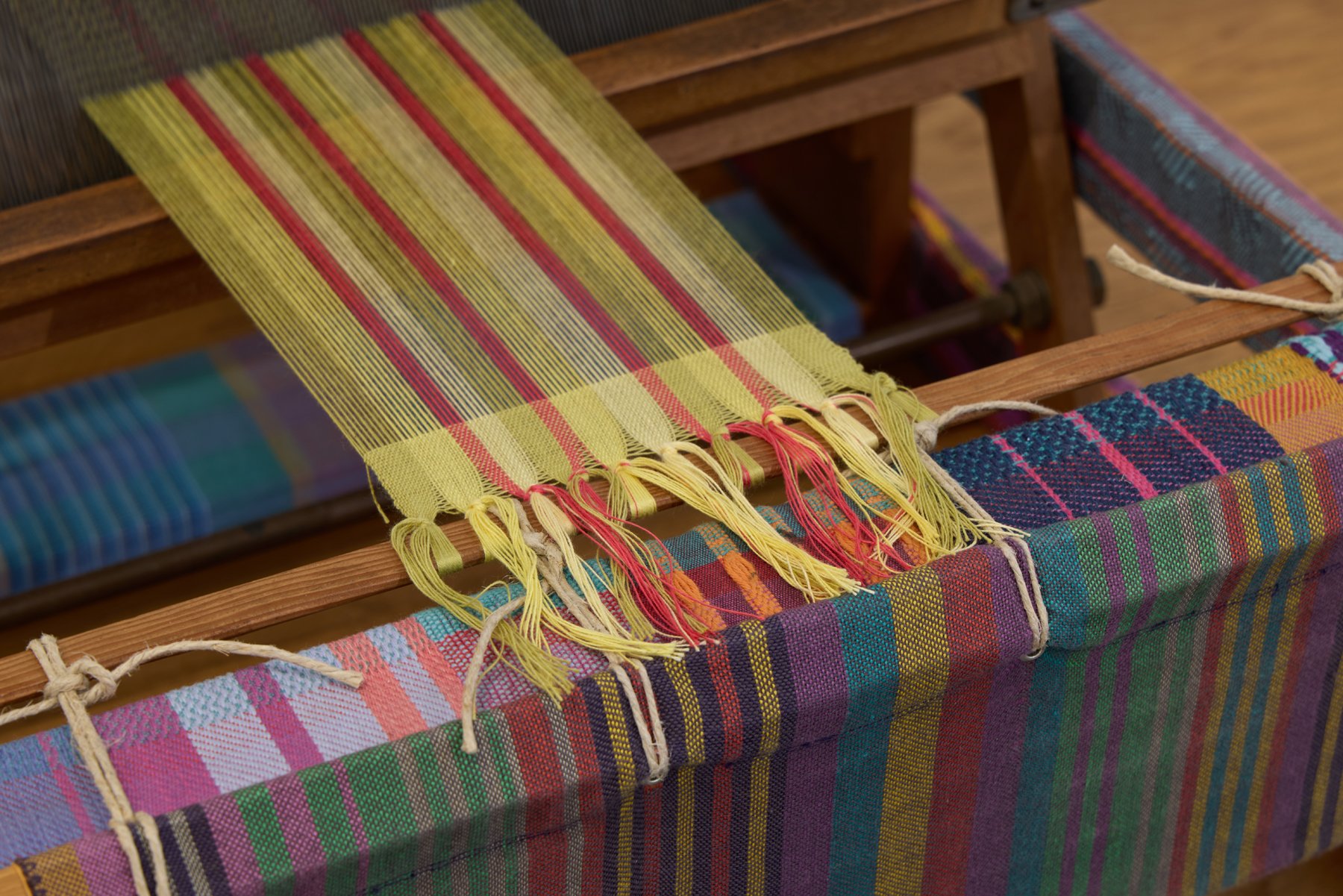
Thread the Loom. Installation view, Ikon Gallery (2025). Image courtesy Ikon. Photo by David Rowan.
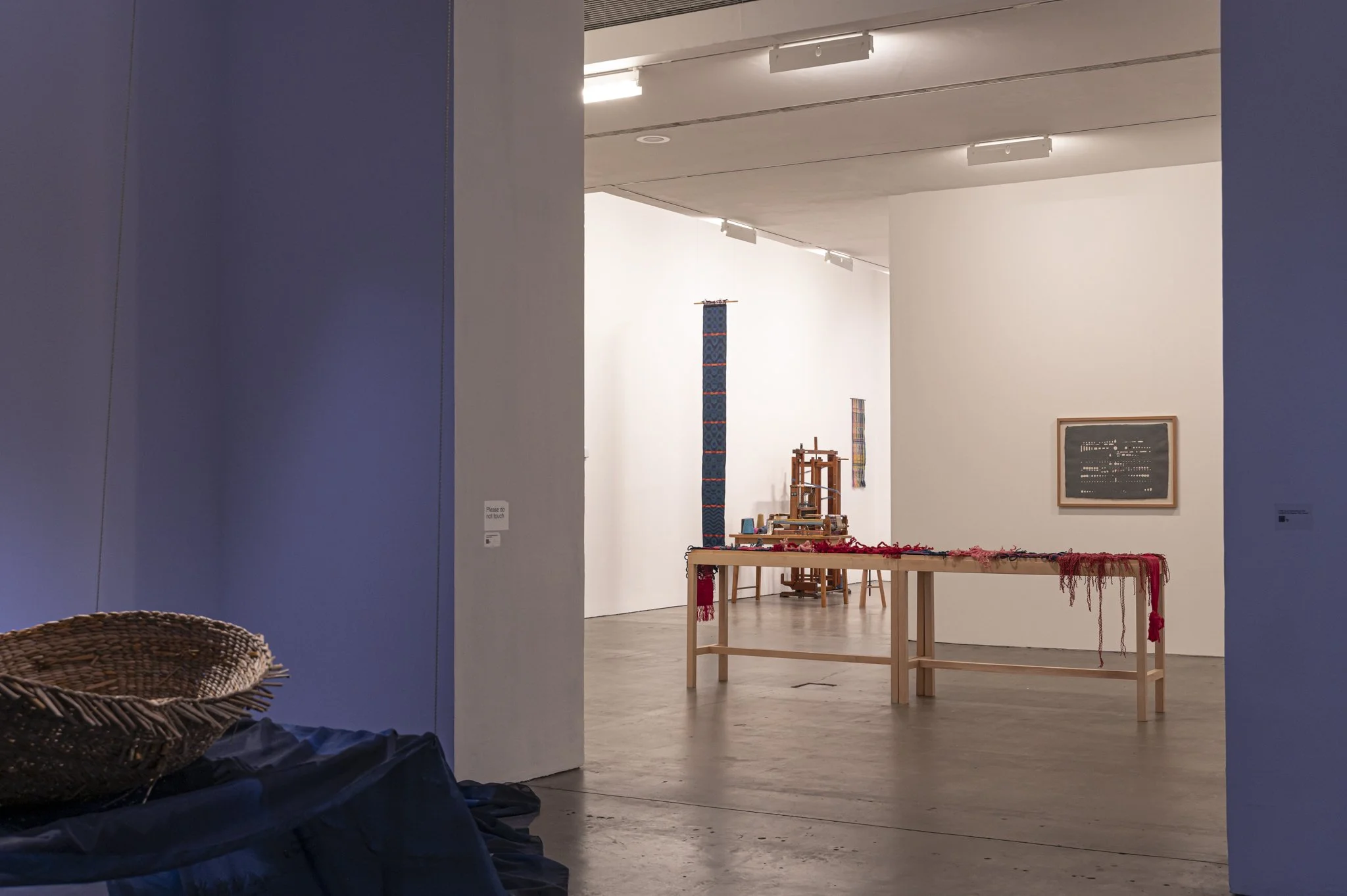
Thread the Loom. Installation view, Ikon Gallery (2025). Image courtesy Ikon. Photo by Tod Jones.
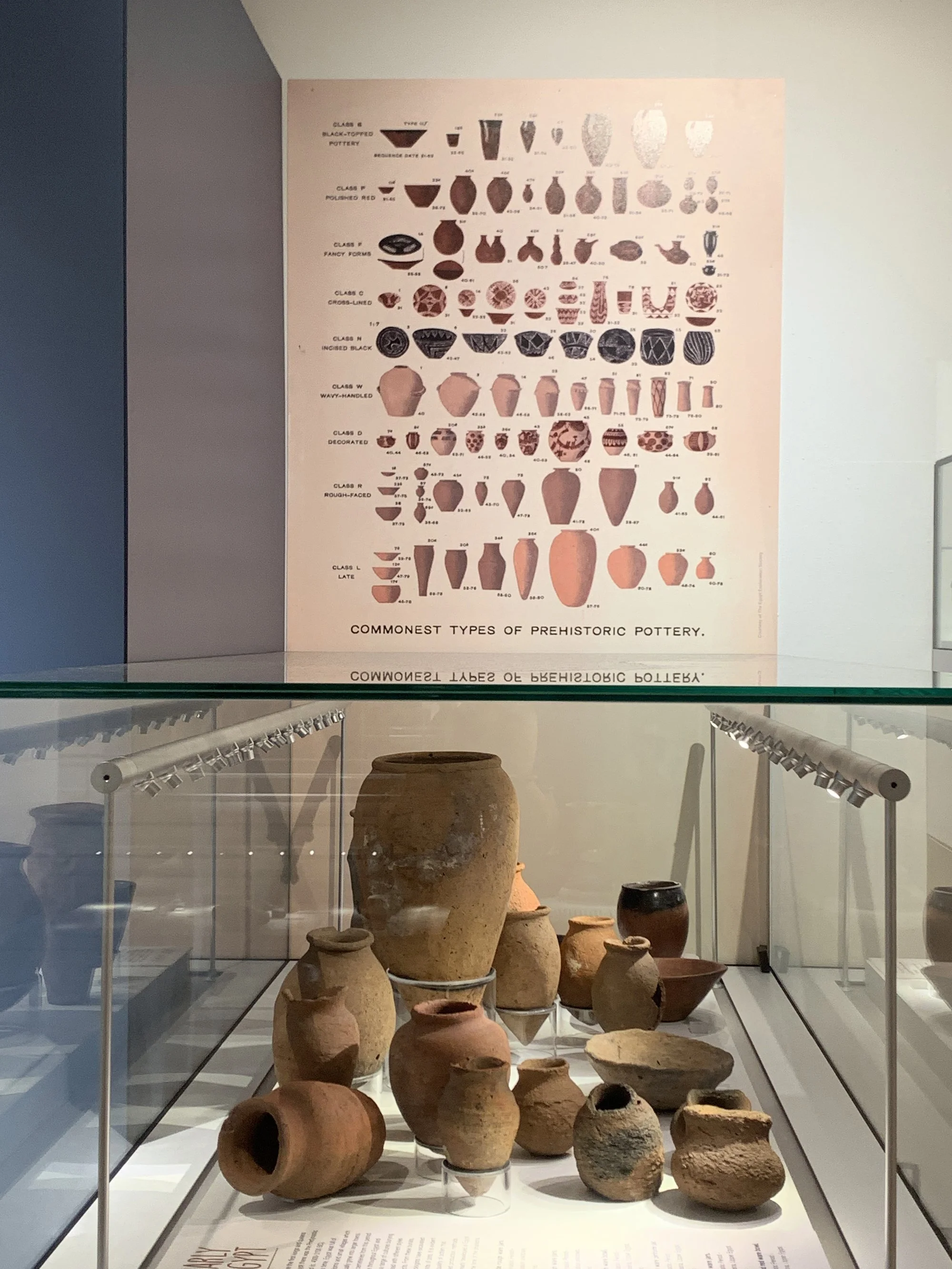
Research for Break the Mould at Leicester Museum & Art Gallery.
You might also enjoy:
Interview with artist ‘Rana Begum: Seeking the Essence’ published in Printmaking Today
Interview with artist Seulgi Lee for my an espresso with…
Interview with artist Emma Talbot, ‘What I create is bound up with being a woman’ published in Wallpaper magazine
Explore more interviews and reviews in my Portfolio, or subscribe for free to receive new interviews
