
Lucia Pizzani

Published on May 6 | Interview by Romina Provenzi | 5 min read
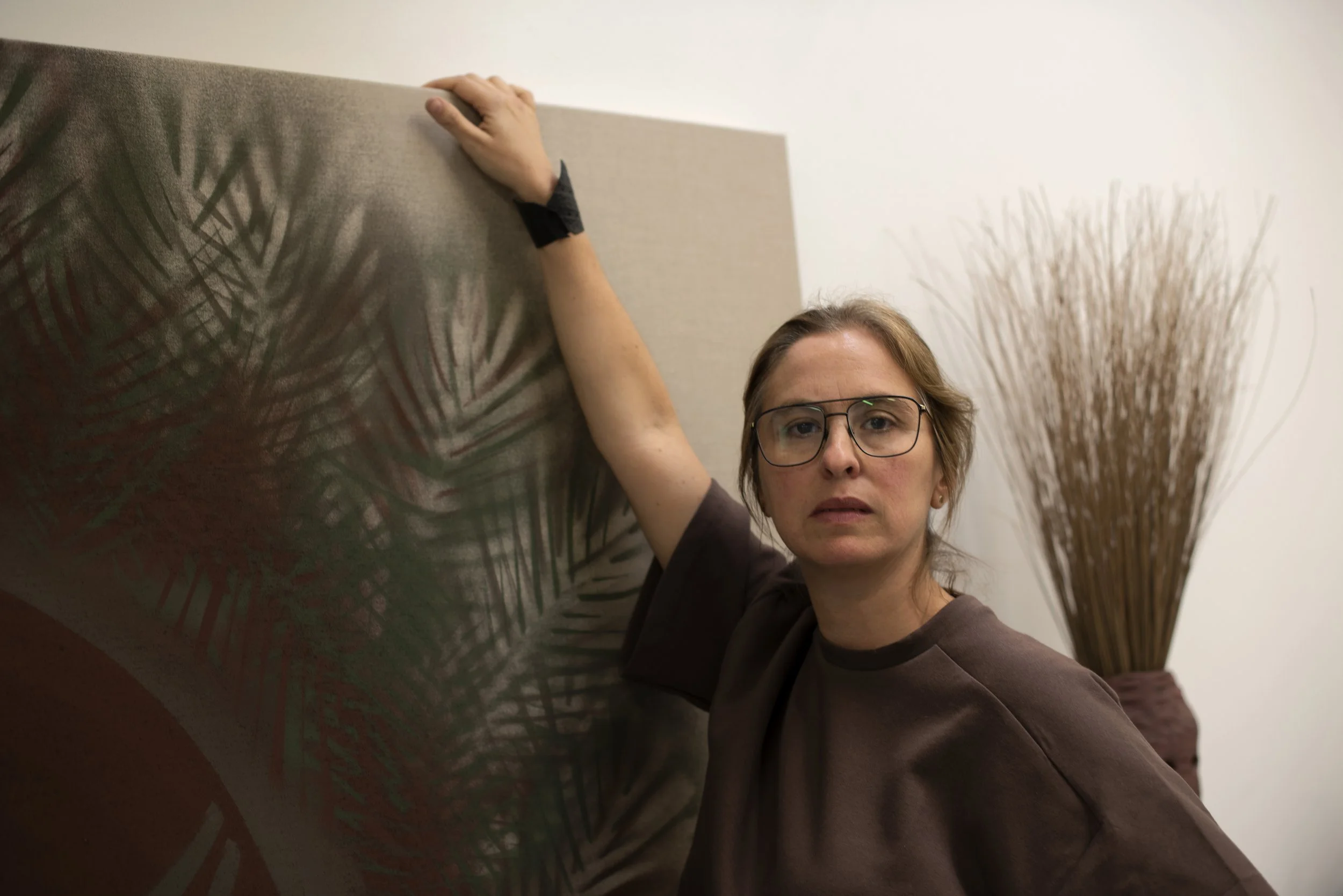
Portrait of Lucia Pizzani by Jaime Gili.
www.luciapizzani.com IG @luciapizzani
Artist Lucia Pizzani channels her background in conservation biology and Venezuelan environmental activism into a contemporary multimedia practice of ceramics, photography, print, drawing, performance and installation. Her ecological art explores themes of migration, identity and nature. Her work is part of public and private collections such as the TATE, UK Government Art Collection and Essex Collection for Art from Latin America (Colchester). Currently, she is taking part in the Second edition of Climate Biennial in Vienna, and her first UK institutional show just opened at Focal Point Gallery, Southend.
Artist Lucia Pizzani on imprints, migration and what we leave behind
Migration, Art and the Power of Local Change
How does your practice engage with migration and the possibility of change?
I believe that, on a macro scale, change is the responsibility of politicians and corporations. Citizens can push for change and protest, but as individuals, our greatest impact is usually within our local environments and communities. In my own practice, that means trying to effect change and create space for interaction at a local level. For example, my textile sculptures, Las Cascaras (2013), draw on the radical transformation of a cocoon into a butterfly. The work reflects on how humans grow and change throughout their lives, and how an outer membrane can suggest both protection and a feeling of being trapped, mirroring processes in nature. This idea of migration takes centre stage in my exhibition ‘Faunal Succession’ at the Focal Point Gallery in Southend, which will then travel to KARST in Plymouth and Mostyn in Llandudno. I am showing sculptures that are made from chalk because my first image of arriving in the UK was the Dover Cliffs, a white image deeply embedded in the British collective imagination. These works focus on the coast, a place where migrants arrive in many parts of the planet.
Clay as Living Archive: From Prehistoric Times to Vegetal Intelligence
What draws you to clay as a material, and how does it connect to your wider research?
There is always something new to learn about clay, from how to use it, how each clay body differs, and its particular feel, to the pigments I find in different places. Clay was one of the first media through which material culture developed, and it allows my practice to connect with something ancient and universal that has been with us since prehistoric times. When humans first went beyond the utilitarian use of clay and began to draw on it, it must have been tied to identity, to understanding the forces of nature, and to shamanism. In 2021, I did a residency in Mexico at Casa Wabi, in the Oaxaca area, which means “the Land of Guajes” because of the variety of seed pods bearing trees there. During the residency, I made eight works titled Seres Vegetales (Plant Beings), based on impressions of local seed pods in many sizes and shapes, now installed in the Puerto Escondido botanical garden. I also studied local plants and ancient symbols in Mexico and Mesoamerican civilisations while researching vegetal intelligence on how plants communicate, move, and compete for light. This research informed my anthropomorphic works Ser Vegetal Totem (2022) and Ser Vegetal Rama (2022), included in The Storytellers, curated by Iwona Blazwick and Katie Delamere, and shown in the garden of Worcester College, Oxford. Made of clay and steel, I used black clay from the UK, imprinted with corn and plants from the Southern Hemisphere, creating a place of conversion.
Leaving a Trace: The Body, Nature, and What Comes After
How does the concept of imprint connect your ecological concerns to questions of human impermanence?
Imprint is a deeply ancient human necessity, connected to how we confront our own impermanence. In Vessel, my degree show at Chelsea College of Art in 2009, I imprinted my body onto the walls, ceiling, and floor, and created a sound installation of a heartbeat within the space. The title refers to both a ship and a container as something that transports you through time and geography, and the work reflects Ana Mendieta’s influence on my practice, particularly in relation to migration and the nostalgia of not being able to return. In my more recent exhibition, Faunal Succession, the human imprints in the room, together with ceramics marked by grains and seeds, act as traces for someone in the future. I call them post-human fossils, akin to the trace fossils that help scientists understand behaviour. More broadly, my work considers the immense impact our species has had on the environment, from holes in forests to the extraction of fossil fuels and the many other processes driving climate change. Ultimately, the planet will continue without us and in comparison to its history, we have existed for only a fraction of a second. What I want to show is that our own survival is what is truly at stake. Even so, we need to remain positive, because the question is how to hold the vastness of this reality alongside what we can still do within our reach.
Reflections on this conversation
Venezuelan and Londoner Lucia Pizzani imprints seeds, grains and her body into clay to trace the deep connection between human life and the natural world. Her work asks one essential question: what do we leave behind on a planet that will long outlast us. It is a quiet meditation on migration, nature and our species' fragile, fleeting presence on the planet.
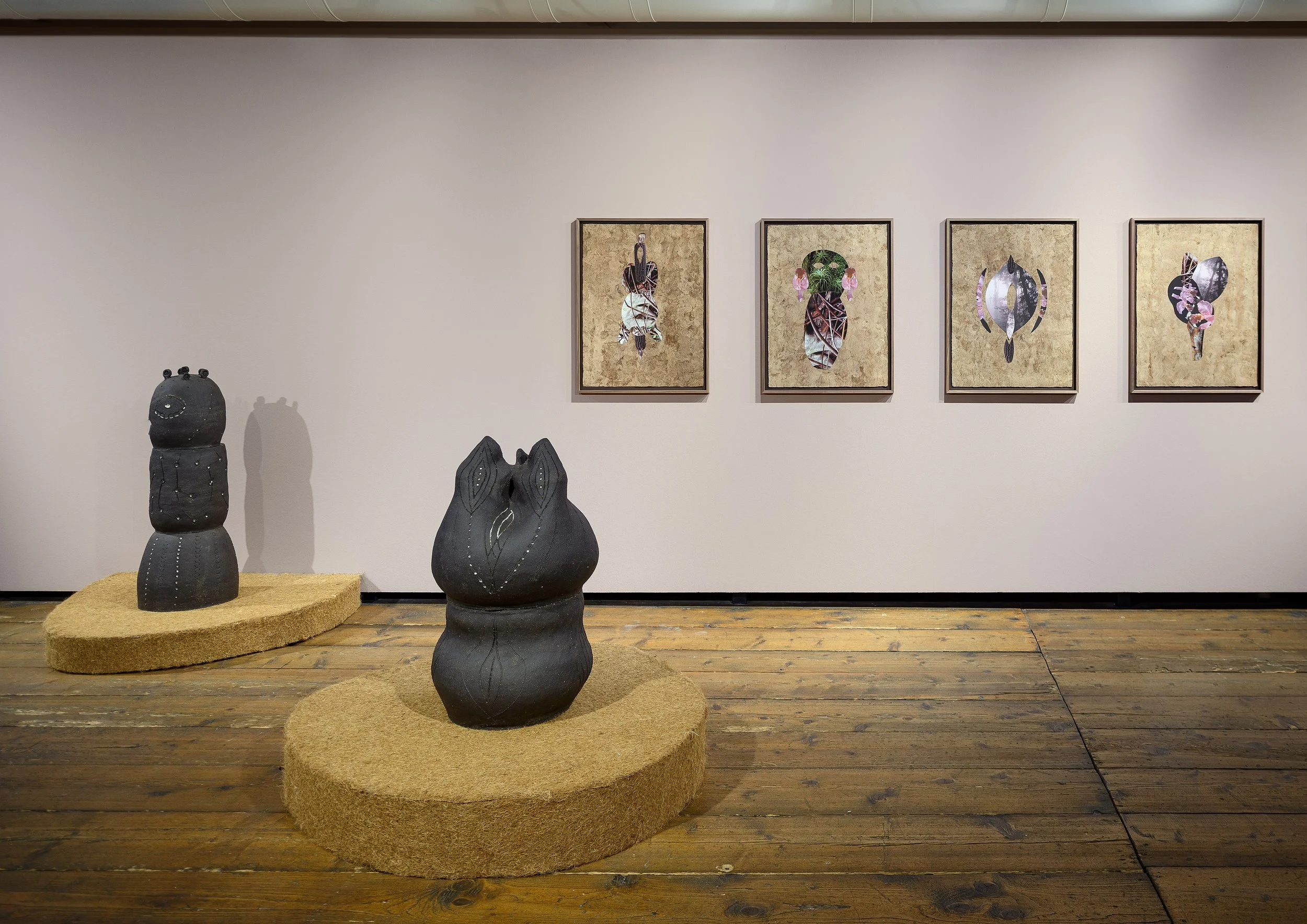
Flora Totems and Amate series as part of Seeds. Reclaiming Roots, Sowing Futures, KunstHausWien 2026, Climate Biennial.
Photo by Iris Ranzinger
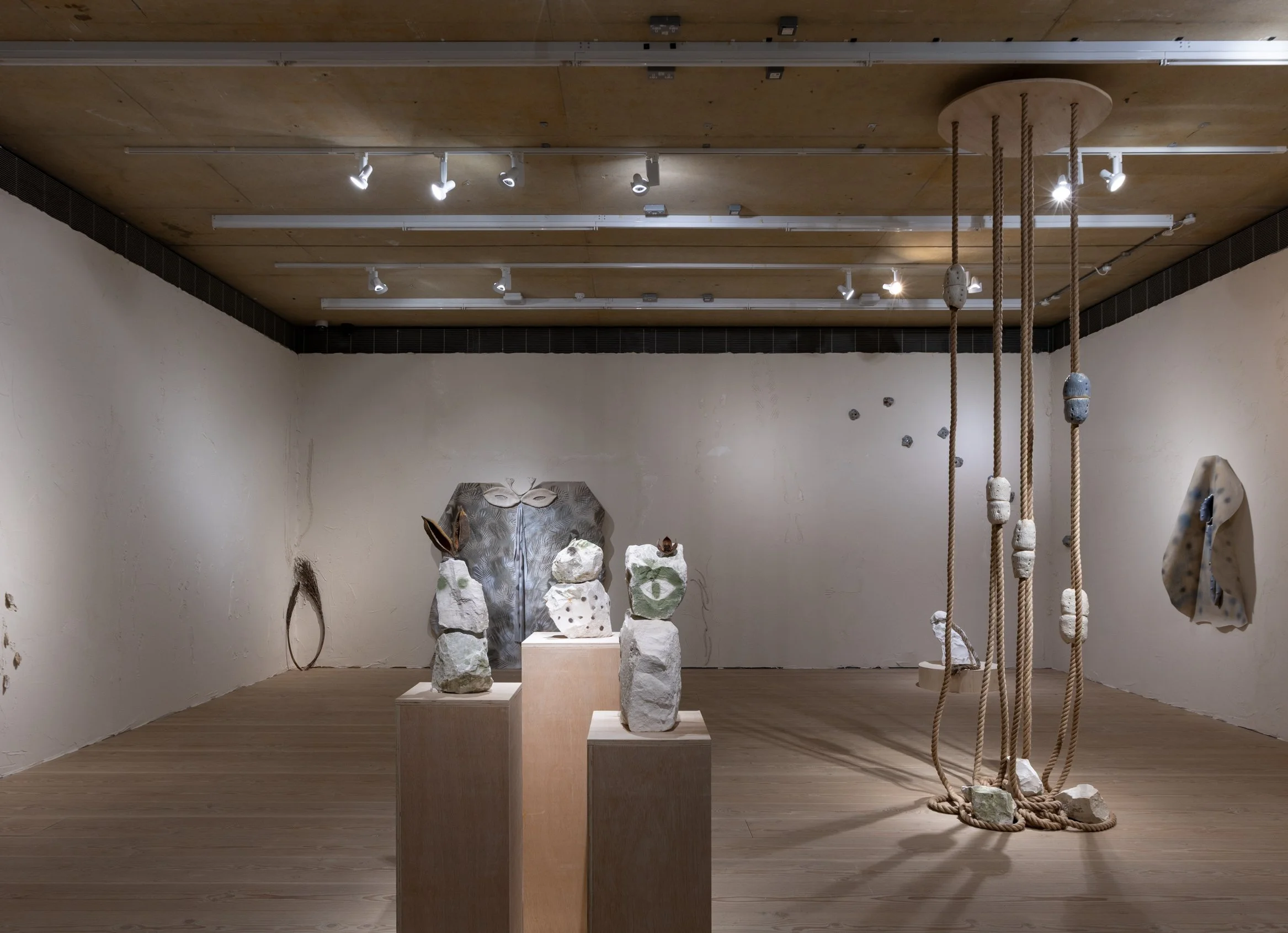
Faunal Succession at Focal Point Gallery. Photo by Anna Lukala
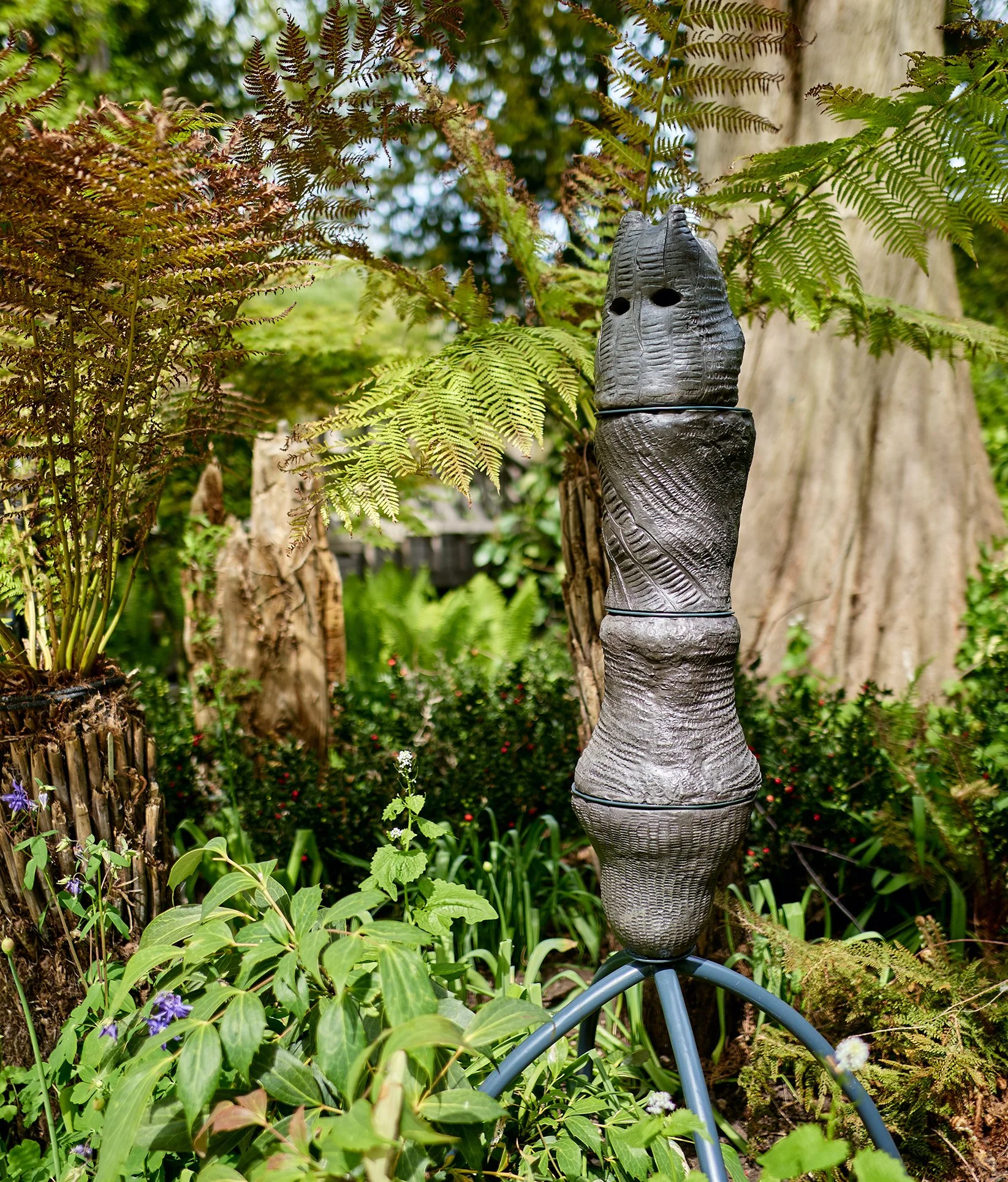
Ser Vegetal Totem (2022), stoneware clay and steel, at the Storytellers group exhibition curated by Iwona Blazwick and Katie Delamere, for Sculpture in the Garden at Worcester College, Oxford. Photo by Fisher Studios
You might also enjoy reading some other interviews from my portfolio:
Interview with artist ‘Rana Begum: Seeking the Essence’ published in Printmaking Today
Interview with artist Teresita Fernandez published on Elephant magazine
Interview with artist Emma Talbot, ‘What I create is bound up with being a woman’ published in Wallpaper magazine
Explore more interviews and reviews in my Portfolio, or subscribe for free to receive new interviews
