

Published on November 12, 2026 | Interview by Romina Provenzi | 5 min read
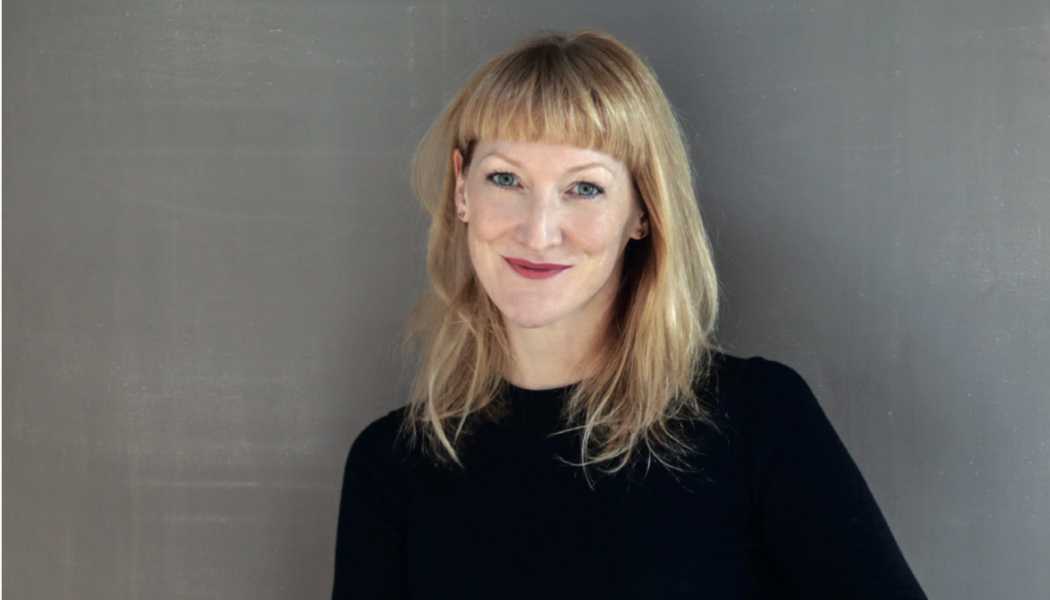
Portrait of Emma Ridgway
image credit: Kirill Kozlov
In this interview, Emma Ridgway, Director of the Foundling Museum, talks about curating as activism, training as an artist, and winning the Golden Lion at the Venice Biennale.
Emma Ridgway holds degrees in fine art, art history and curating from Goldsmiths and The Royal College of Art. She is the Director of the Foundling Museum in London and a Clore Cultural Leadership Fellow. Ridgway curated the British Pavilion for the 59th Venice Biennale, where the exhibition ‘Feeling Her Way’ won the international Golden Lion for Best National Participation in 2022, a first for the UK. The award was shared with artist Sonia Boyce and commissioner Emma Dexter. She co-selected John Akomfrah as the artist commissioned for the 2024 British Pavilion. Previously, she worked as Head of Programmes at Modern Art Oxford, curator at the Barbican Centre, the Royal Society of Arts, Serpentine Gallery and Khoj International Artists Association, New Delhi.
Interview with Emma Ridgway: from Goldsmiths to Golden Lion
Curating as activism: why public institutions matter
Are you an activist?
Some people have called what I do activism. I believe that whatever platform you have, there’s always power, and therefore, I work in public institutions, not commercially, putting conversations into public life through exhibitions and public events. I came to the Foundling Museum because it has that potential to have those conversations. What power do we have in our own little world to do things together that give us more courage to shift conversations so they can be more inclusive and thought-provoking? Art, especially some conceptual work, asks those questions in a much more open way. There's something far bigger than ourselves that is a living, thriving world we are part of, and the way it pushes one's ego concerns to the background and gives a more uplifted sense of optimism. It also shows possibilities for different futures, whether for us as individuals or for different ways of understanding areas of the world and insights we didn't think we could understand because they're not our subject position. This is why I do what I do, very specifically for that. I wouldn't put that much effort into my work if I didn't have that driving purpose. I love being in a place of not knowing, when you're just utterly honest with yourself about it.
Training as an artist, working as a curator: a pragmatic turn
Why did you become a curator instead of an artist?
I became a curator out of determination to stay in London and as a pragmatic choice, because I had no idea how to earn as an artist, and I had to pay my rent. I trained as an artist at Goldsmiths, loved conceptual work, took the only undisputed first in my year, and really enjoyed exploring London as a young person from Lancashire. It was a fast turnaround going from intending to be an artist and training at Goldsmiths to suddenly spending all my time and energy curating exhibitions in East London. When I eventually ran out of money and into debt with no financial safety nets or family in London, some friends invited me to work with them at a specialist decorating company, doing elaborate paint finishing in West London houses. For the first time, I met interior designers and people who spoke RP English, and a particular class, a world I didn't even know existed beyond television. I loved how aesthetic it was, and how these people spent time thinking about the making and the finishes. After saving enough, I enrolled in an MA in Curating Contemporary Art at the Royal College of Art, a two-year programme that included a grant for an internship. I used it to go to New Delhi to learn how curators work with contemporary artists in India, a context I didn't understand or know how to navigate, but could learn from. After the RCA, I moved from curating exhibitions in East London to curating programmes and creative projects in public institutions.
Winning the Golden Lion at the Venice Biennale
Have you seen changes in how people engage with you after receiving the Golden Lion at the Venice Biennale?
In 2022, at the 59th Venice Biennale curated by Cecilia Alemani, our exhibition for the British Pavilion, ‘Feeling Her Way’, was highly experimental, focused on creation, exploration, and collaboration. The three of us, the artist Sonia Boyce, the British Pavilion’s commissioner Emma Dexter, and I as curator, were awarded the International Golden Lion for Best National Participation, a first for the UK. After winning the award, I travelled back to London the next day to carry on delivering the projects at Modern Art Oxford after six months’ leave. But this award opened an opportunity I wasn’t actively looking for, and I moved on to the Foundling Museum in London as the new Director because education is at the centre of a museum’s experience and its exhibitions. As the first ever public art gallery in Britain, this museum holds evidence of a strand of art history and living artists working around causes and concerns about the bigger picture: how we conceive of our bigger self connected to the living natural universe and world, our civic self, what we want to do immediately as a community in the light of injustices, and what our individual sense is of what we can do to help.
Reflections on this conversation
I met Emma Ridgway when she was appointed as Head of Programmes at Modern Art Oxford in 2015. How she engages with people hasn’t changed since winning the Golden Lion. What stays with me from this conversation is what drives her. She believes that there is power in whatever platform you have. She works on exhibitions to enable the individual to discover something for themselves. She does not tell visitors what to think. Instead, she makes room for them to arrive at it.
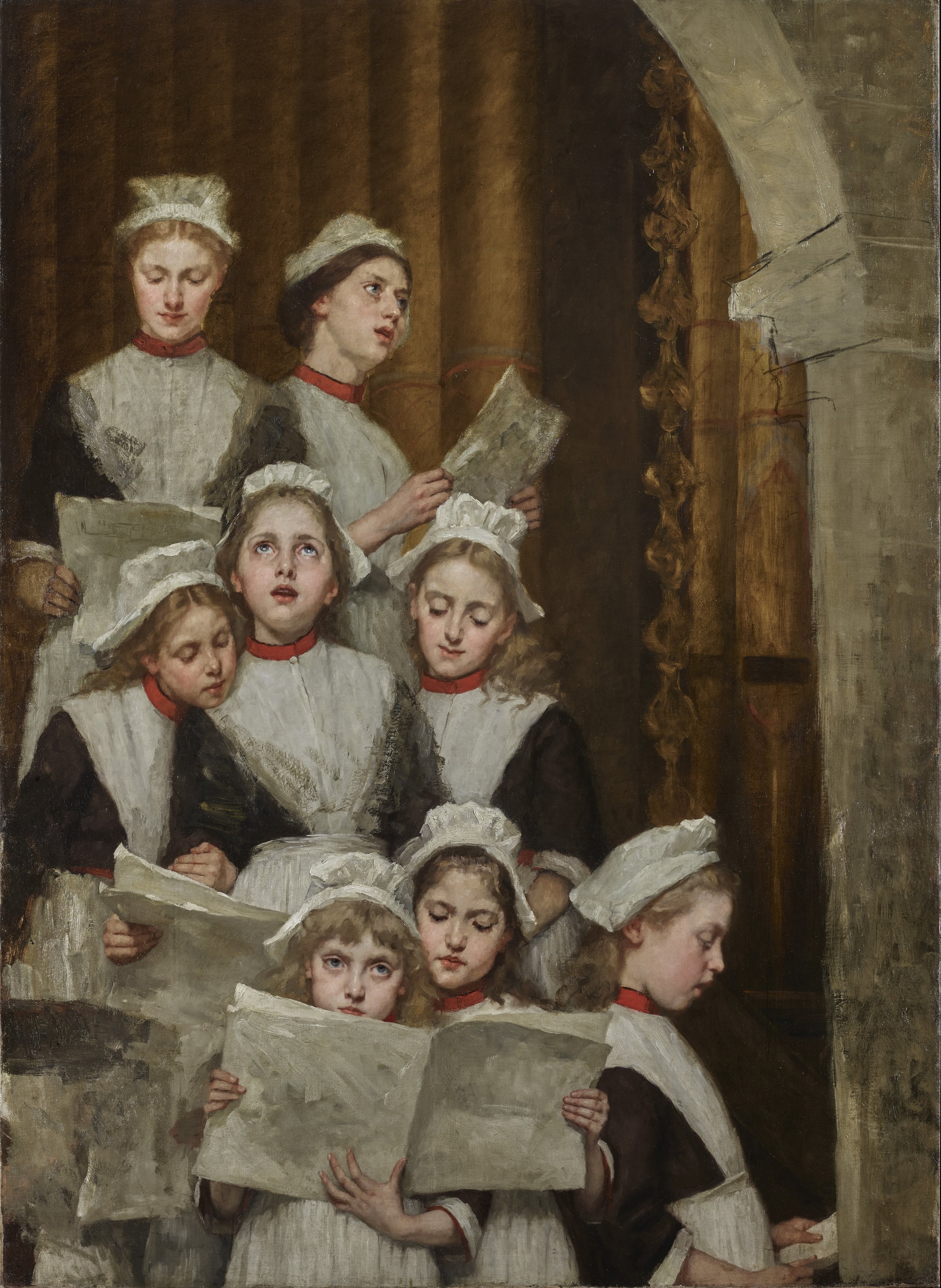
Thérèse Schwartze, A Choir of Foundling Girls, c.1910
Courtesy of the Foundling Museum, London.
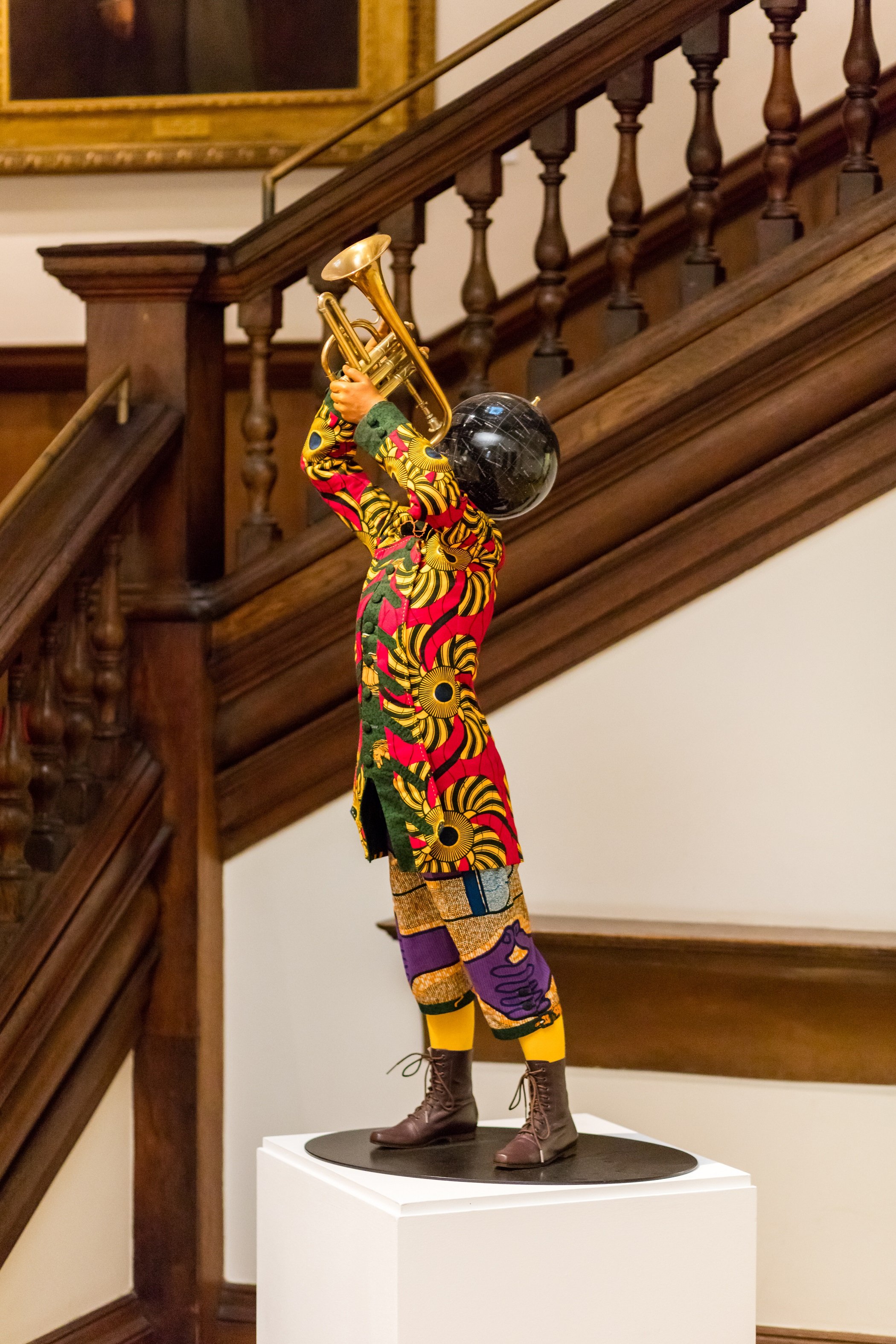
Yinka Shonibare, Trumpet Boy, 2010
Courtesy of the Foundling Museum, London
More interviews from my portfolio:
Interview with artist Yinka Shonibare published in Printmaking Today
Interview with artist Teresita Fernandez published in Elephant magazine
Interview with artist Emma Talbot, ‘What I create is bound up with being a woman’, published in Wallpaper magazine
Interviews from my ongoing series ‘an espresso with…’
an espresso with…| The Book available to order here
Explore more interviews and reviews in my Portfolio, or subscribe for free to receive new interviews