

Published on November 26, 2026 | Interview by Romina Provenzi | 5 min read
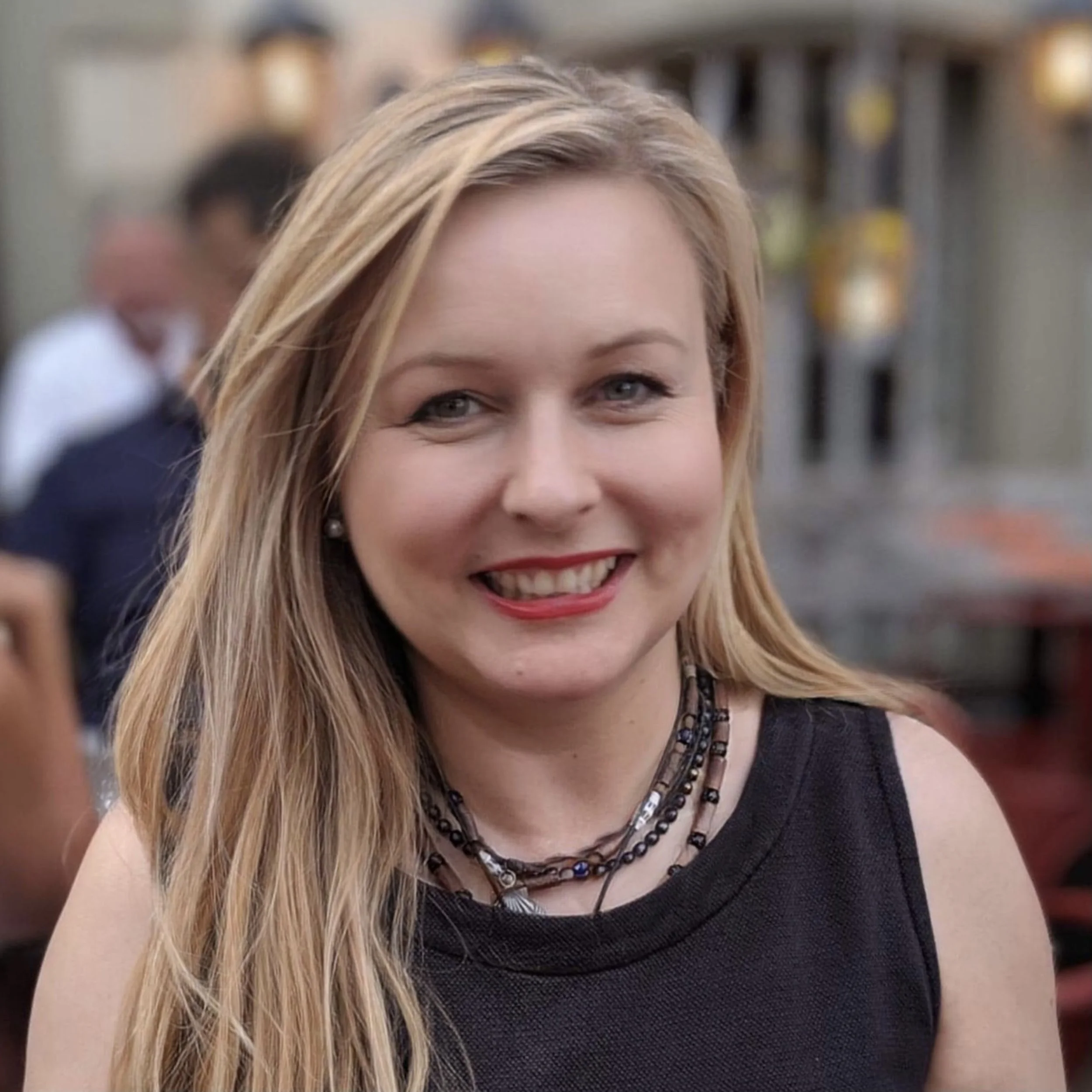
Portrait of Anna Dumitriu
Photo credit: Alex May
Anna Dumitriu is an internationally renowned British contemporary artist working in BioArt, sculpture, installation, and digital media to explore our relationship with nature and technology, with a focus on infectious diseases, synthetic biology, AI, and robotics. Exhibitions include ZKM, Ars Electronica, BOZAR, The Picasso Museum, Kunstlerhaus Vienna, MIT Museum and HeK. She holds a BA and MA in Fine Art from the University of Brighton.
Interview with Anna Dumitriu: artist on BioArt, bacteria and residencies
BioArt and the Sublime: From Dracula to Microbiology
What does BioArt mean in a contemporary art practice, and how did you get into this?
BioArt is always about engaging with biology, and everyone works with different aspects of it. In my practice, I work with microbiology, which I first became fascinated with as a child at school. Around that time, I learnt about the Great Plague of London, and we read the novel Dracula in class. I also watched a film, The Andromeda Strain, about a deadly space organism, and remember a scene where they cut someone for a test and powder came out, which gave me a strange kind of terror. These things both inspired and repulsed me, and then I developed an interest in immortality through Dracula and vampire mythology, and in the idea of the sublime. In the 18th century, Edmund Burke referred to the sublime as a moment when all the motions of the senses are suspended with some degree of terror, which is a sort of beauty. The philosopher Immanuel Kant later described it as something the mind can’t fully hold because it is too vast, too complex or too terrifying. This is how I became interested in what I do now from an artistic point of view thanks to literature, cinema and history, while looking at where these things might lead in the future.
Artist Residencies in Science Labs and Hospitals
How do you work?
I have residencies with different labs where I can go in, work there, and learn what they’re doing to make my artworks. They invite me, so I don’t need to apply. For many years, I have been an Artist in Residence with the Modernising Medical Microbiology (MMM) project at the Nuffield Department of Medicine (NDM) at the University of Oxford, and I have worked with the department on several projects. Now I’m collaborating with Professor Nicole Stoesser, who is studying bacteria that live in sink traps and whether they can spread antibiotic resistance. For instance, bacteria travel through the plumbing of hospital buildings, and antibiotic resistance genes can move with them. This was first identified in Boston, but it happens everywhere. I also have a research fellowship at the NIHR Leeds Biomedical Research Centre, where I collaborate with Professor Jane Freeman, who studies the gut microbiome and works with Clostridioides difficile (C. diff), a spore-forming superbug. We are working on incorporating it safely into an artwork using steam sterilisation. In 2004, I also created the Institute of Unnecessary Research (IUR) to bring people together to do things as a collective. There’s a big website with the department heads, what their departments are about and what they study. It looks like this very grand thing, but it’s not, because there are no people in the departments and there is no funding. It’s humorous and playful, and the whole idea is that anybody can do curiosity-driven research.
Working with Bacteria, DNA and Robotics
You work with different materials, but what’s your favourite medium?
My favourite medium is probably bacteria. They get incorporated somehow, and it depends on the bacteria as to what that results in. It might just be DNA and its presence there. So I like to work a lot with what I call altered historical objects. I buy antique or vintage objects, alter them, change them and add the bacterial DNA to them. I quite enjoy working with that sculpturally because I love this idea of relics of the past, and then the DNA is a relic of the lab, and sometimes the materials from the lab become relics of the lab process. So there are relics of the past, and then I point towards the future with 3D printing, 3D modelling, digital stuff, sometimes robotics. During my visiting research fellowship at the University of Hertfordshire, which began in 2010, I have made six or seven major pieces of robotic work. I’m also a Visiting Research Fellow at Brighton and Sussex Medical School, where I’m working with researchers in the Centre for Infection and Antimicrobial Research on an ongoing project about AI and infection prevention. A lot of my relationships are long-standing.
Reflections on this conversation
What struck me most in this conversation is how calmly Anna Dumitriu speaks about terror and beauty. Her curiosity began in childhood, with a plague, a vampire and a film about a deadly organism, and it has grown into her own version of the sublime that Burke and Kant described. She enters labs and hospitals by invitation, and many of those relationships have lasted years, yet she keeps a sense of play with the Institute of Unnecessary Research, where anyone can do curiosity-driven research. In works like Infusoria, pictured below, antique objects and bacterial DNA come together, so the past and the laboratory meet in one piece. What stayed with me is her attention to what most of us would rather not look at.
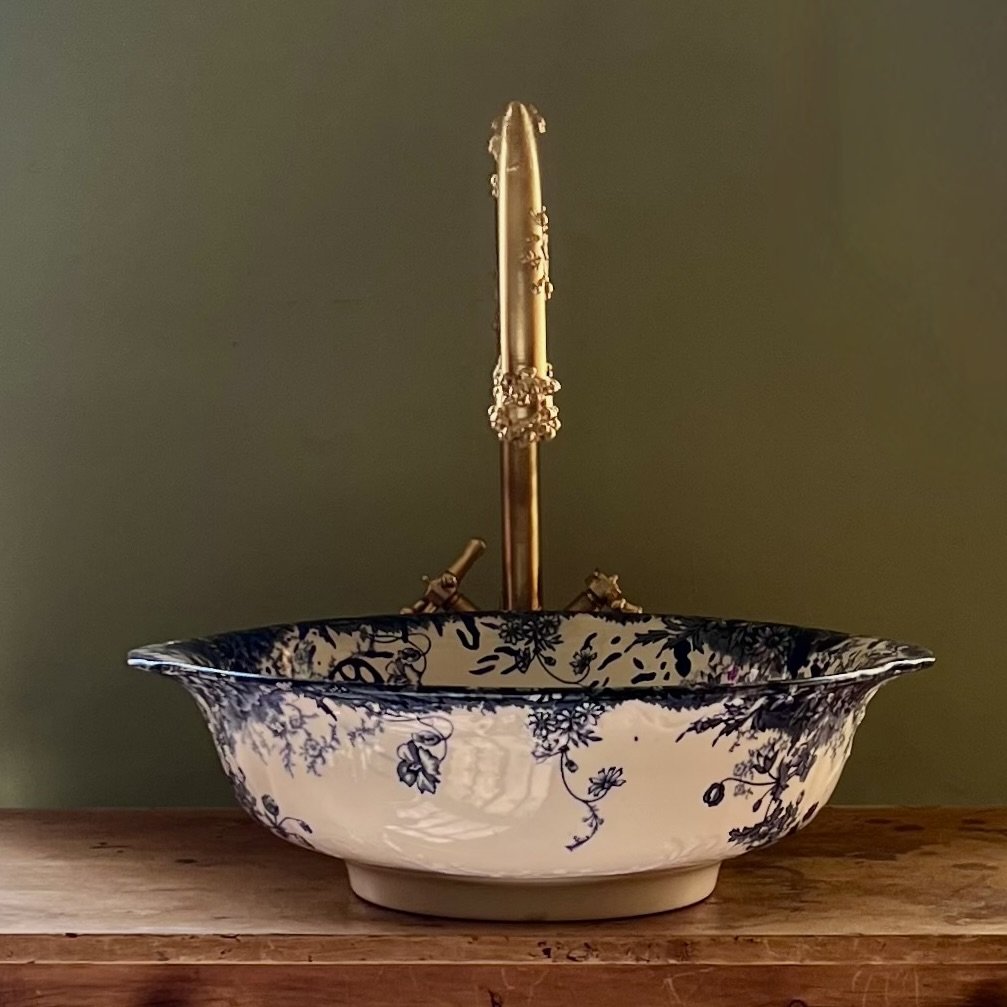
Infusoria by Anna Dumitriu. Image courtesy of the artist.
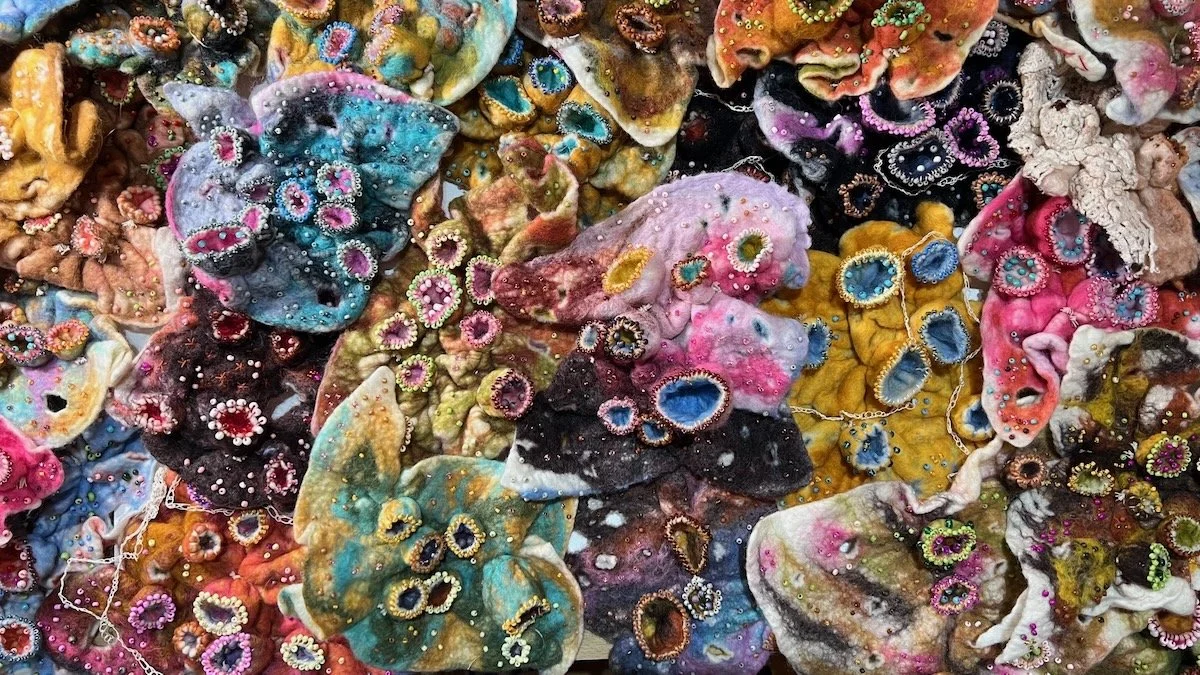
Fragile Microbiome by Anna Dumitriu. Image courtesy of the artist.
More interviews from my portfolio:
Interview with artist Yinka Shonibare published in Printmaking Today
Interview with artist Florence Peake published in Sculpture
Interview with artist Sarah Christie published in ‘an espresso with…’
Interviews from my ongoing series ‘an espresso with…’
an espresso with…| The Book available to order here
Explore more interviews and reviews in my Portfolio, or subscribe for free to receive them in your inbox