
Christiane Pratsch Monarchi

Published: September 29, 2025 | Interview by Romina Provenzi | 5 min read

Christiane Pratsch Monarchi Portrait
Christiane Pratsch Monarchi is co-founder and editor of Hapax Magazine, an international print-only photography publication that commissions artists and curators working with photography. With over 20 years in contemporary photography, she is the magazine founder and editor of Photomonitor. Now she co-runs Hapax Living Room, an experimental project space dedicated to lens-based art practices in West London with a program of exhibitions, workshops and events. She is a leading voice in the photography field in the London art scene and beyond. In this interview for 'An Espresso with...', Christiane discusses redefining success, supporting emerging photographers, and the evolution from digital platforms to print-only publications.
Interview with Christiane Pratsch Monarchi: Hapax Magazine editor on Photography & Collaboration
Redefining Success
What’s success for you?
At present, success means building a community and supporting artists in their practice. It's not just about income generation, which used to be my traditional measure of success when I worked in finance, and it has taken a long time to unlearn that. Now I measure success in having people that I don't know email me and want to collaborate, which has led to a lot of interesting things in my life that involve working with new people and ideas. I look forward to the possibility of larger collaborations in exhibitions and festivals, like the Bristol Photo Festival in 2026. Definitely, success is meeting interesting artists, learning about their work, and occasionally collaborating on a project. That’s a dream come true.
The Power of the Medium
Why do you focus on photography?
My love of art and an MA in ‘Contemporary Art History’ led me in that direction. Additionally, I took a seminar with Susan Bright on contemporary photography, which sparked my interest. Photography has an inherent ability to tell many different narratives and be read in a variety of ways, which made me want to learn more and to work in this area of the arts for twenty years so far.After creating Photomonitor, a digital magazine specialising in photography, during lockdown, I went on to develop and launch with co-director Gordon MacDonald the Hapax Magazine, an international print-only photography magazine that commissions new projects to artists, offering an incubator for their new ideas on print without any online sharing. Some of these ideas may develop into exhibitions, photobooks, and festivals.Now, Hapax has expanded the idea into ‘Hapax Living Room’, a project space that showcases new or experimental photographic ideas, brings people together, and shares ideas in person.
Facilitating the Art Cycle
How has your work developed from your initial steps to the present?
Initially, after my MA, I had the privilege of working with James Hyman at the former James Hyman Gallery. Together, we created a photography exhibition programme representing a great group of photographers, and it made me realise how few sharing possibilities exist for artists who aren’t invited to exhibit in galleries. About 13 years ago, I created Photomonitor as a platform to share people's work online and provide visibility. It was built on the model of gathering some funding to pay writers to cover photography with exhibition reviews, interviews, book reviews and essays. Then, about five years ago, Gordon and I had the idea of Hapax magazine because we wanted to support artists and curators with a small commission to try out new ideas in the development of their practice and reinforce the beginning of the art cycle. It’s a special honour to be in the position to work with people who are starting a new project, and hundreds of people from around the world respond to our open call every six months. Now I can say that I enjoy being a facilitator or enabler of others’ artistic ideas and helping them grow. It’s a pleasure to have this sort of collaborative relationship and have people come to Hapax Living Room or engage with us about the magazine at a publishing fair. The Living Room isn’t a commercial gallery, but a space for sharing ideas and allowing pure collaboration.
Reflections on This Conversation
Talking with Christiane reminded me of why the arts need more facilitators and fewer gatekeepers. Her journey from finance to photography, from measuring success in income to measuring it in connections and collaborations, mirrors a shift happening across the creative industries. What strikes me most is the radical generosity embedded in Hapax's model: commissioning artists to experiment, creating a non-commercial space for ideas to breathe, and resisting the pressure to monetise every creative output. In an age when everything must be "content" and shared online immediately, Hapax's print-only, slow-release approach feels almost revolutionary. The concept of Hapax Living Room particularly resonates—a space where art can exist without the immediate pressure of sales, where conversations happen in person rather than through screens, and where experimental work has room to fail, evolve, or surprise. It's a rare gift to artists in an increasingly precarious creative economy. Christiane's work proves that sometimes the most valuable contribution isn't creating art yourself, but creating the conditions for others to develop theirs.
Three key insights:
Success can be redefined, moving from income-based metrics to measuring value through connections, collaborations, and community building
Print-only publishing resists digital immediacy. Hapax Magazine's slow-release, non-online approach offers artists space to experiment without pressure to monetise immediately
Facilitators enable creativity, creating conditions for others to develop their work, which could be more valuable than creating art yourself, especially in a precarious creative economy
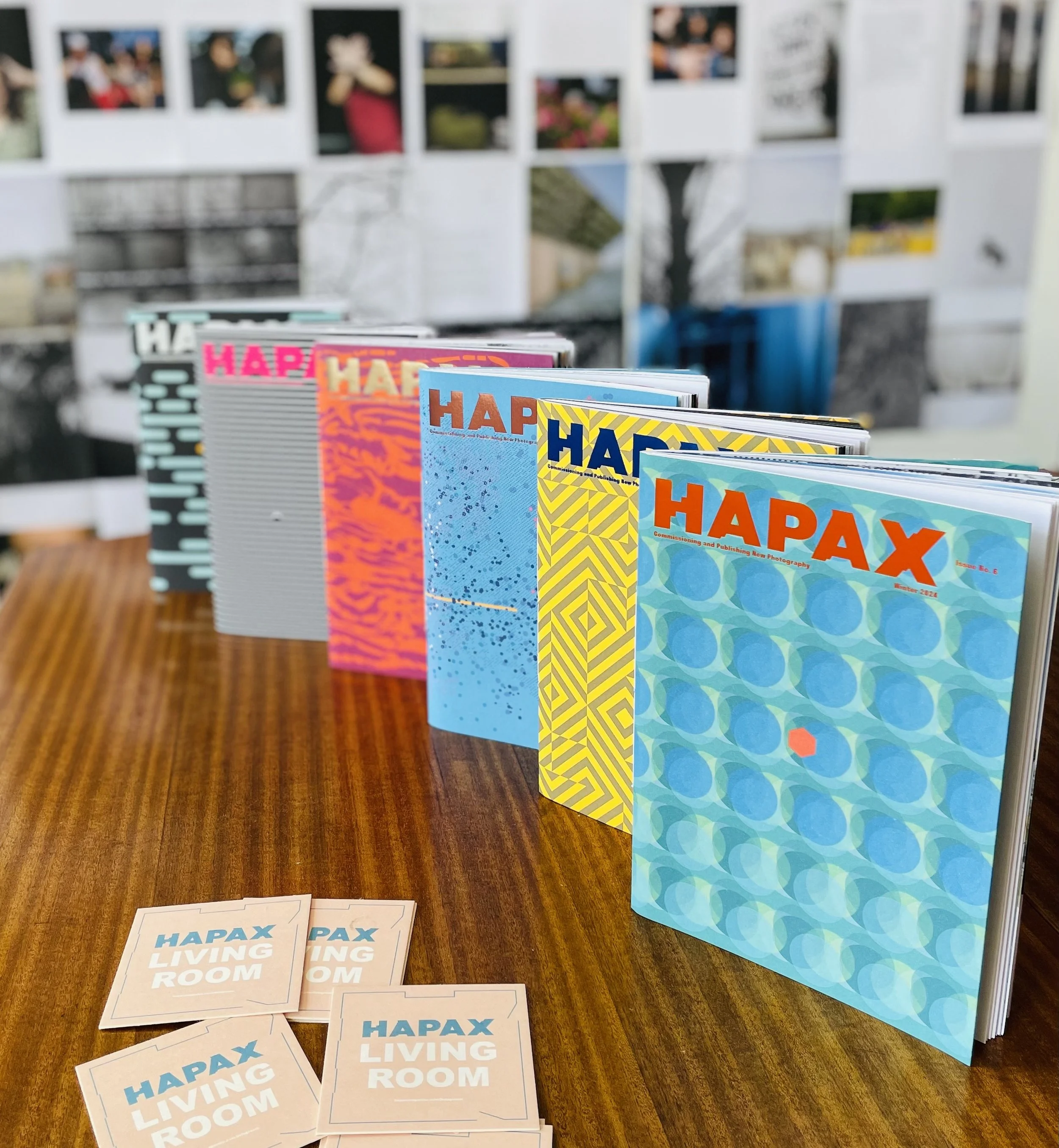
Collection of Hapax Magazine print editions displayed at Hapax Living Room, the experimental photography project space in London
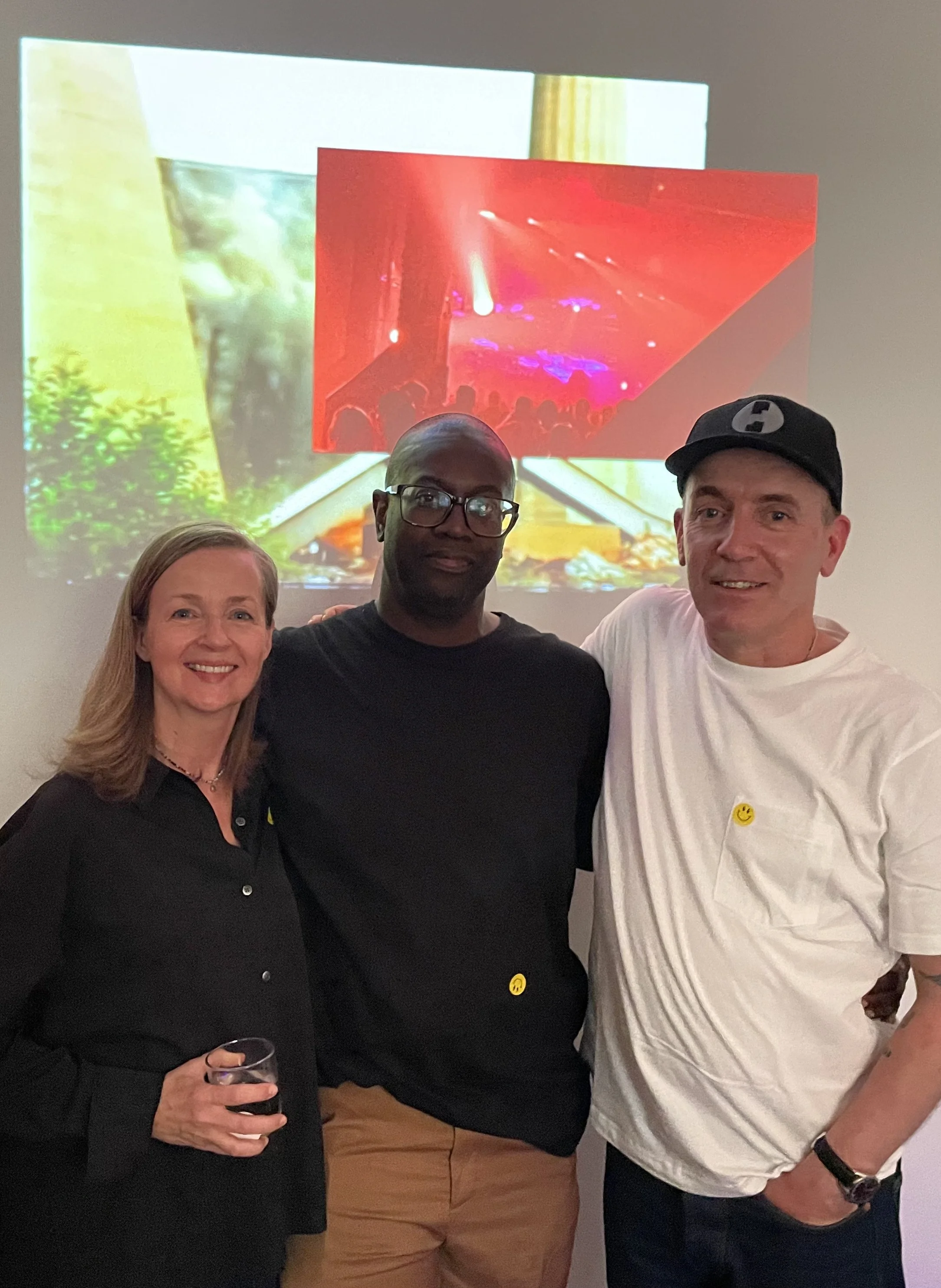
Me with Gordon MacDonald (my co-editor on HAPAX) and Jermaine Francis whose show we just finished in the Living Room.
If you enjoyed this conversation, you might also like my interviews with other artists working with photography:
Japanese photographer Hiroshi Sugimoto in Elephant magazine
Carey Young on Photomonitor
View all “an espresso with…” conversations
Explore more interviews and reviews in my Portfolio, or subscribe for free to receive new interviews
